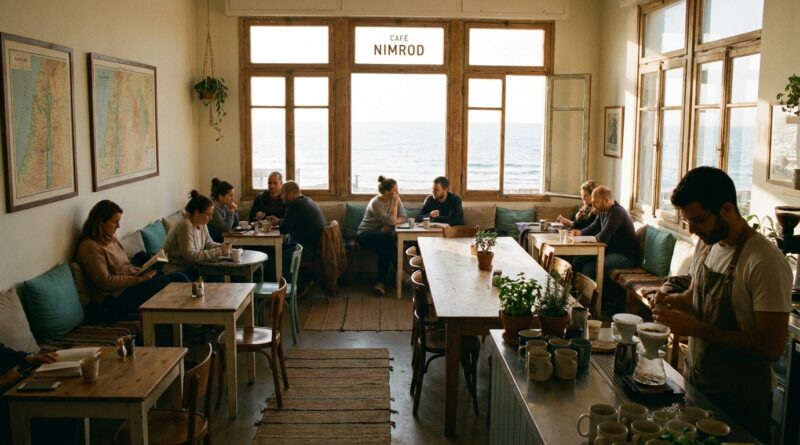
Why Tel Aviv Port’s ‘Third-Place Coffee Evenings’ Are Quietly Becoming 2026’s Gentlest Antidote To Feeling Disconnected
You can spend a whole day talking to people and still feel oddly alone by dinner. That is the part nobody likes admitting. The messages keep coming. Work chats never really end. Social feeds make it look like everyone else is out living a rich, connected life. Then you step into a café hoping for a small human moment, and instead it is loud, rushed, expensive, or so focused on quick turnover that nobody settles in long enough to speak. That is why the quiet rise of the third place coffee shop Tel Aviv Port scene matters more than it first appears. These evening coffee rituals are not flashy. They do not ask you to network, perform, or stay out late. They simply make room for the kind of easy, low-pressure contact that helps people feel human again. In 2026, that may be exactly what many of us have been missing.
⚡ In a Hurry? Key Takeaways
- Tel Aviv Port’s quieter coffee evenings work because they feel like a true third place, not a rushed transaction or a loud night out.
- Go at the same time each week, sit for at least 30 minutes, and leave your phone face down if you want real chances for casual conversation.
- It is a low-cost, low-pressure way to support mental well being, feel safer meeting people, and rebuild local connection without committing to a big event.
Why this small shift matters so much
Most people do not need more content. They need more contact.
Not deep therapy. Not a packed social calendar. Just a place where it feels normal to arrive alone, stay a while, and maybe exchange a few words with someone without it being weird.
That is what people mean when they talk about a “third place.” Home is one place. Work is another. A third place sits in the middle. It is where community happens by accident. You do not need an invitation. You do not need a big reason to go.
For years, many of those places faded away or became too polished, too noisy, or too transactional to do that job well. You could still buy a coffee, sure. But you could not really linger. And if you cannot linger, you usually cannot connect.
What makes a third place coffee shop at Tel Aviv Port feel different
The port already has one big advantage. People arrive with a slightly softer mood. The sea helps. The walking paths help. The fact that you are not wedged between office towers helps too.
But setting matters only if the pace matches it.
What seems to be quietly working in these evening coffee hours is the mix of calm service, repeat visits, and no obvious pressure to “do” anything. You are not being pushed toward a rushed table flip. You are not trying to shout over music. You are not trapped in the strange social pressure of a bar scene if that is not your thing.
Instead, you get something gentler. A familiar table. A warm drink. A few regular faces. Maybe a short chat with the person beside you. Maybe a nod from staff who have seen you before. It sounds small because it is small. That is why it works.
The real antidote to disconnection is repeatability
Big events get attention. Small rituals change lives.
A lot of social advice fails because it asks too much. Join a club. Attend a mixer. Go to a massive meetup. Put yourself out there. That can work for some people, but it can also feel exhausting, expensive, or forced.
A repeatable evening coffee habit is different. It asks almost nothing from you. Show up. Sit down. Stay a bit longer than usual.
That repeatability is the secret. When people return to the same place at roughly the same time, familiarity builds. And familiarity lowers the social temperature. The second time is easier than the first. By the fourth or fifth visit, the room stops feeling full of strangers.
Why low-pressure contact is so powerful
There is a reason these spaces can feel healing without making a big show of it.
Low-pressure social contact helps people rebuild what some now call “social muscles.” If you have been isolated, overworked, newly moved, or just stuck in a digital loop, even simple conversation can feel rusty. A calm coffee evening gives you a way to practice again without stakes.
You do not have to be witty. You do not have to stay for hours. You do not have to leave with a new best friend. Just being around familiar humans in a welcoming setting can make the week feel less thin.
Why coffee works better than many nightlife options
Bars have their place. So do restaurants. But both often come with hidden friction.
Bars can be loud, alcohol-centered, and hard for anyone who wants clear conversation. Restaurants can feel too formal or too tied to spending. Many modern cafés, on the other hand, still have the bones of a good third place if they choose to use them that way.
Coffee is simple. It gives people something to do with their hands. It creates a natural reason to stay. It does not demand a whole night. You can come for 25 minutes and still feel restored.
That is part of the appeal behind a third place coffee shop Tel Aviv Port locals can actually return to again and again. It fits into real life. It does not ask for a special mood, a special budget, or a special personality.
How the best evening coffee spaces avoid feeling transactional
You know the difference as soon as you walk in.
A transactional café feels like a queue with chairs. Order. Pay. Move. Leave.
A third-place café feels like a room. It invites you to exhale.
Usually that comes down to a few things. Seating that supports lingering. Sound levels that allow normal conversation. Staff who are present without hovering. Lighting that does not make the place feel like a waiting room or a nightclub.
And of course, the coffee itself matters. A place that takes its drinks seriously often attracts people who like slowing down enough to taste, notice, and talk. That is part of why the port’s daytime coffee culture has already been drawing attention. If you want a sense of how that quality-first approach built momentum, Why Tel Aviv Port’s ‘Galilee Tasting Bar’ Mornings Are Quietly Becoming Every Coffee Nerd’s New Obsession gives helpful context.
Who these evenings are especially good for
Not everyone wants connection in the same way. That is another reason this format works. It is flexible.
Remote workers
If your workday ends where it started, at home and on a screen, you can go whole weeks without casual in-person contact. A quiet evening coffee stop breaks that loop.
People new to the city
Moving somewhere lively can still feel lonely. A repeat café habit gives you a map point. Somewhere you can return to until the area starts feeling like yours.
Couples who want calmer outings
Not every date needs to be a production. A peaceful table by the port can feel more intimate than a crowded venue.
Solo visitors
Some places punish solo customers by making them feel in the way. Good third places do the opposite. They make arriving alone feel normal.
How to use these evenings well, without overthinking it
You do not need a five-step reinvention plan. Just a few simple habits.
Pick one evening and keep it consistent
Tuesday at 7 is better than “sometime this week.” Routine is what turns a visit into a social anchor.
Stay longer than your first impulse says
Most spontaneous chats happen after you settle, not during the first five minutes.
Keep your phone out of your hands
Face down is enough. You do not need to prove anything. You just need to look a little more available to the room.
Choose a seat that allows contact
A corner can feel safe, but a more open seat gives you a better chance at the tiny moments that build familiarity.
Do not force conversation
This is important. Third places work because connection is possible, not mandatory. A smile, a nod, or one short exchange is enough.
Why this trend feels especially timely in 2026
People are tired in a very specific way.
It is not just work stress. It is social strain. Too much communication, not enough companionship. Too much access, not enough ease.
That is why quieter rituals are winning people over. They feel sane. They feel manageable. They do not require self-branding or extroversion. They bring back an old idea that still makes sense: community can be built in ordinary places, through ordinary repetition.
In that sense, the rise of the third place coffee shop Tel Aviv Port idea is not really about coffee alone. It is about recovering a basic piece of civic life. Somewhere between private life and public noise, there should be room to simply be among other people.
At a Glance: Comparison
| Feature/Aspect | Details | Verdict |
|---|---|---|
| Atmosphere | Calmer than a bar, less rushed than many cafés, with sea-side surroundings that encourage people to slow down. | Best for easy conversation and decompression. |
| Social Pressure | No need to network, drink alcohol, or commit to a long event. You can come alone and still feel comfortable. | Low-pressure and beginner-friendly. |
| Value | One drink can buy you time, routine, and a real chance at local connection without a big spend. | High value for mental well being and community ties. |
Conclusion
People everywhere are talking again about the need for true third places between home and work, and for good reason. Too many of those spaces have disappeared or turned into fast, transactional stops. A calm evening coffee ritual at Tel Aviv Port offers something more realistic and more humane. It gives locals and visitors a repeatable way to rebuild social muscles, meet neighbours, and feel connected without the pressure of a loud bar or a big event. That is why this quiet habit matters. It is low-cost, high-impact, and surprisingly restorative. Sometimes the fix for feeling disconnected is not a major life change. Sometimes it is a familiar table, a well-made cup, and a little room for real life to happen again by the water.