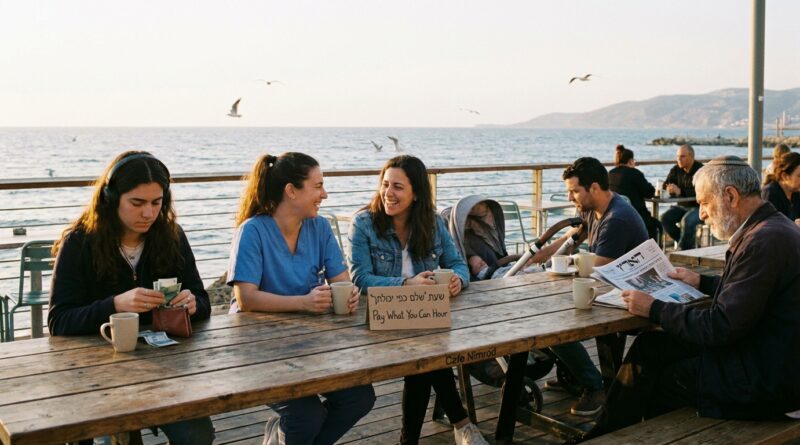
Why Tel Aviv Port’s ‘Pay-What-You-Can Coffee Hour’ Could Be 2026’s Kindest Reply To Rising Coffee Prices
Coffee sticker shock is real, and a lot of people in Tel Aviv are feeling it quietly. You still want that small reset by the water, that first sip, that five-minute breather before work or between errands. But then you look at the menu and do the mental math. Suddenly, a simple cappuccino feels less like a habit and more like a decision. That little pinch of guilt takes some of the comfort out of the cup.
That is why the idea of a pay what you can coffee Tel Aviv hour at Tel Aviv Port feels so timely. It does not pretend prices are not rising. It does not ask café owners to ignore their own costs either. Instead, it offers a kinder middle ground. If money is tight, you still get to show up. If you are doing fine, you can pay a bit more and help keep the ritual open to everyone. For 2026, that may be one of the simplest and warmest answers to a problem people feel every single day.
⚡ In a Hurry? Key Takeaways
- A pay-what-you-can coffee hour could help Tel Aviv Port keep café culture open to regular people, not just special-occasion spenders.
- If you see one, pay honestly. Pay less when needed, and a little extra when you can. That is what makes the model work.
- The real value is not just cheaper coffee. It is lower stress, more belonging, and a better chance for independent cafés to stay part of daily life.
Why this idea lands right now
Coffee prices have been climbing for reasons that have nothing to do with your local barista. Global supply issues, weather trouble in coffee-growing regions, shipping costs, rent, wages, electricity, milk. It all stacks up fast.
So when a café raises prices, it is usually not greed. It is survival. But for regular customers, the result still stings. The familiar daily stop starts to feel like a luxury purchase.
That is the gap a pay what you can coffee Tel Aviv hour could fill. Not all day. Not forever. Just one recurring window where the social rule changes a bit. You come, order the same simple, good coffee, and pay what you honestly can.
That kind of structure matters because it keeps things clear. It is not vague charity. It is a shared system with dignity built in.
What “pay what you can” actually does better than a discount
It removes the awkwardness
A normal discount still divides people. Some get student pricing. Some have coupons. Some do not. A pay-what-you-can hour is different. Everyone stands in the same line and gets the same drink.
No one has to explain their budget. No one has to prove they need help.
It lets community do part of the work
Some people will pay below the usual price. Some will pay the regular amount. A few will likely pay more. That mix is the whole point.
It is a soft, practical version of mutual support. Not flashy. Not moralizing. Just neighbors quietly helping keep a shared ritual alive.
It protects the habit, not just the product
You are not only buying caffeine. You are buying a pause, a view, a familiar face, a tiny piece of routine. Those things matter more during tense, expensive years.
We have already seen how much people need gentler public rituals. That is part of why Why Tel Aviv Port’s ‘Storm‑Safe Coffee Mornings’ Might Be 2026’s Gentlest Ritual For Anxious News Scrollers rings true. People are not only looking for coffee. They are looking for a steadier way to be around each other.
Why Tel Aviv Port is the right place for it
Tel Aviv Port already works as a meeting point. It is public, open, easy to understand, and tied to a part of the city that feels breathable. The sea helps. So does the sense that you can linger for a minute without needing a whole plan.
A recurring coffee hour there would not just serve commuters or tourists. It could pull in freelancers, retirees, students, parents after drop-off, and anyone trying to keep one small pleasant routine in a week that feels too expensive.
That matters in a city where cost-of-living stress can make people retreat. The more daily life gets sorted by who can still afford “the usual,” the more public belonging shrinks.
Would it actually help cafés too?
Yes, if it is designed carefully.
It can bring back foot traffic
When people stop coming regularly, cafés lose more than one sale. They lose habit. And once a habit breaks, it is hard to rebuild.
A weekly or daily set hour gives people a reason to return. Some will come back later at full price on better weeks. Some will add a pastry. Some will tell friends. Regular presence still has business value.
It can strengthen loyalty
People remember places that treated them like humans during tight times. That memory lasts longer than a loyalty card stamp.
It works best with limits
This idea needs guardrails. Think filtered coffee or a simple cappuccino, fixed cup sizes, one drink per person, one hour only. That keeps costs predictable and avoids turning a generous idea into chaos.
The point is not to make every menu item flexible. The point is to protect one shared ritual.
What could make or break a pay what you can coffee Tel Aviv program
Clear wording
If the sign is confusing, people freeze up. The message has to be simple: “For this hour, pay what you can. If you can pay more, you help someone else join too.”
No guilt trip
This only feels kind if it stays low-pressure. Nobody wants to buy coffee under a cloud of social judgment.
Quality still has to be good
If the coffee feels like a cheap compromise, people will read the whole thing as symbolic rather than useful. The charm here is that everybody still drinks the same solid Galilee-roasted coffee by the sea.
Staff buy-in
Baristas should not be left to improvise the social rules at the till. The system has to be easy for them too.
What readers can do if they see this happen
If you spot a pay-what-you-can hour at the port, use it the way it was meant to be used.
If money is tight this week, go anyway. That is the point. You do not need to earn your right to a cup and a seat.
If you are doing okay, add a little extra without making a performance out of it. Quiet generosity is usually the strongest kind.
And if you run a café or know someone who does, this idea is worth testing in a small, controlled way. One hour. One menu. One month. Measure turnout, staff feedback, and whether people come back.
At a Glance: Comparison
| Feature/Aspect | Details | Verdict |
|---|---|---|
| Affordability | Customers pay based on their real budget during a set hour, instead of facing one hard fixed price. | A humane answer to rising coffee costs. |
| Community impact | Creates a shared ritual where people from different income levels can still meet in the same place. | Strong social value, especially in a tense and expensive city. |
| Business practicality | Works best with limits like fixed drinks, fixed times, and clear signage so cafés can manage costs. | Promising, if handled with discipline. |
Conclusion
Right now, global coffee prices and the cost of living are squeezing both café owners and regulars, and people are openly asking whether coffee shops have become an occasional treat instead of a daily anchor. A pay-what-you-can window gives Tel Aviv Port a concrete, humane answer. It protects the soul of neighborhood coffee culture without pretending that money stress is not real. For our community, it says, “You still belong here even if this week is tight,” and it also invites those who are doing okay to quietly shoulder a bit more. In a city that feels more polarized and anxious by the day, a recurring hour where everyone drinks the same Galilee-roasted coffee at the seafront, each paying what they honestly can, feels less like a gimmick and more like good civic design. Small cup, big idea.