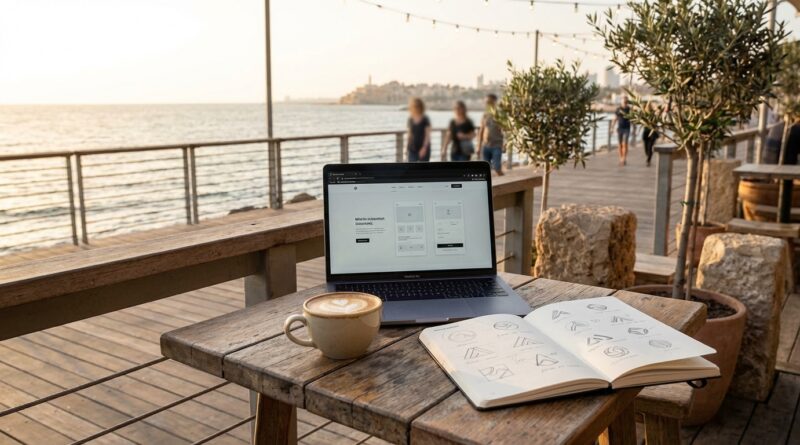
Why Tel Aviv Locals Are Turning Portside Coffee Corners Into Their New ‘Creative Side-Hustle Studio’
You sit down at home with a good idea, open your laptop, and somehow end up answering messages, folding laundry, and staring at the same blank document for 40 minutes. That feeling is painfully familiar. Everyone else seems to be launching a newsletter, a tiny product line, a paid community, or a freelance offer, while you are still trying to find one solid hour to think. That is a big reason the Tel Aviv port coffee side hustle workspace trend is taking off. Locals are not only going there for the sea breeze and decent espresso. They are using portside coffee corners as low-pressure places to finally start the thing they have been talking about for months. It is not about pretending a café is a fancy office. It is about getting out of your apartment, away from the chores and noise, and into a space that makes work feel lighter, simpler, and a lot more possible.
⚡ In a Hurry? Key Takeaways
- Tel Aviv locals are using portside cafés as side-hustle workspaces because they offer structure, energy, and fewer home distractions.
- Pick a simple goal before you arrive, like drafting one product page or outlining one newsletter, so the session stays focused.
- The best value comes from keeping it realistic. Use cafés respectfully, buy something, watch your gear, and treat each visit as a small work sprint, not an all-day office takeover.
Why the port works when home does not
Home sounds convenient. In real life, it can be a trap.
If you are trying to build a side project from your kitchen table, your brain has to fight everything at once. Dirty dishes. Family noise. Notifications. The sofa. The strange urge to reorganize a drawer instead of doing the one hard task that matters.
By contrast, the port gives you a clean mental signal. You came here to work on your idea. That matters more than people think.
The Tel Aviv port coffee side hustle workspace appeal is partly practical and partly emotional. Practically, you get a table, Wi-Fi in many spots, background noise that can help focus, and an easy excuse to leave the house. Emotionally, you get movement, sunlight, and the feeling that your project belongs in the real world, not hidden in a browser tab you keep closing.
It is not really about coffee
Yes, the coffee helps. But the bigger draw is what the setting does to your attention.
Portside cafés sit in a sweet spot between isolation and chaos. They are lively enough to keep you awake, but usually not so personal that people expect you to chat every five minutes. You are around other humans, yet you still have room to think.
For freelancers, designers, writers, early-stage founders, and quietly ambitious employees, this can be enough to break the freeze. You do not need a perfect business plan. You just need a better place to begin.
The environment removes friction
When people say they cannot start, they often mean the setup feels heavy. At the port, the setup gets smaller. Bring a laptop, headphones, and one clear task. That is it.
No need to clean the apartment first. No need to make your desk look productive. No need to battle the feeling that work and rest are happening in the same exact chair.
You borrow momentum from the place
There is something useful about working near motion. Walkers, cyclists, the sea, deliveries, café staff, conversations. It creates a quiet sense that life is moving, so your project can move too.
That sounds soft, but it is real. Many side hustles do not fail because the idea is bad. They stall because the creator cannot find a repeatable rhythm.
Why this trend is showing up now
People are tired. They are also hungry for more control over their lives.
Rising costs, job stress, and the nonstop pressure to “make something” have created an odd mix of ambition and burnout. A lot of people want extra income, more creative freedom, or a project that belongs to them. They just do not want to turn their whole life into a productivity contest.
That is why these coffee-based work sessions feel so appealing. They lower the bar. Instead of “build a company,” the goal becomes “spend 90 minutes making real progress.” That is much kinder. And usually much more effective.
What people are actually building there
Not every portside session ends with a startup pitch deck.
Many of these projects are small, practical, and deeply personal. A handmade goods shop. A food newsletter. A design portfolio. A consulting offer. A print-on-demand brand. A private coaching page. A class series. A freelance service that starts with one simple landing page.
That is part of the charm. The Tel Aviv port coffee side hustle workspace trend is less about chasing hype and more about giving ordinary creative ideas somewhere to breathe.
Common tasks that fit well in a café session
Some work is perfect for a portside table:
- Writing a newsletter draft
- Planning a week of social posts
- Sketching a brand idea
- Editing product photos
- Building a simple Shopify or Etsy-style page
- Researching competitors
- Sending outreach emails
- Updating a portfolio or CV
Tasks that need deep privacy, lots of calls, or dual monitors are usually better saved for home or a proper office.
How to make a café work session actually work
This is where a lot of good intentions fall apart. A nice view does not automatically produce results.
If you want the port to become a real side-hustle workspace instead of a scenic procrastination stop, a little structure helps.
1. Decide the win before you leave home
Do not arrive saying, “I will work on my project.” That is too vague.
Instead, choose one finish line. Examples:
- Write the About page
- Design one product mockup
- Outline three paid service packages
- Draft the first welcome email
A narrow goal keeps you from drifting.
2. Pack light, but smart
Bring what you need and no more. Laptop. Charger. Headphones. Water. Maybe a notebook. If power outlets are limited, make sure your battery is topped up before you go.
Also, use your phone hotspot as backup if café Wi-Fi is spotty.
3. Work in short blocks
Try 45 to 60 minutes of focused work, then take a short walk along the water. This is one of the hidden strengths of the port. The break is built in.
You come back less foggy, not more.
4. Be a good café guest
This matters. Buy something. Do not take the best table for four hours on one small coffee if the place is packed. Keep calls brief. Use headphones. Be aware of other customers.
The whole idea only works if it supports the local café, not just your to-do list.
The human side of the trend
There is also a social reason this works. When you see other people working quietly around you, your idea stops feeling embarrassing or indulgent.
You are not the only person trying to start small.
That is a powerful shift, especially for people who have spent months thinking, “Maybe later, when I have more time.” The port creates a setting where “later” becomes “this afternoon.”
And because the mood is more relaxed than a coworking office, there is less pressure to act like a startup founder in a TV show. You can just be a person with a laptop, a coffee, and one next step.
Why this is healthier than the hustle version of hustle culture
Not every side-hustle story needs to sound intense. You do not need to wake up at 5 a.m. and optimize every minute of your weekend.
What many Tel Aviv locals seem to be choosing instead is a slower, more human format. A few focused hours by the sea. One piece of progress. A bit of fresh air. Then home.
That is not laziness. It is sustainability.
If your project is meant to improve your life, the way you build it should not make your life feel smaller.
Who benefits most from a Tel Aviv port coffee side hustle workspace
This setup is especially useful for:
- Remote workers who need a creative reset after their regular job
- Freelancers juggling client work and personal projects
- Employees exploring a future business without quitting their job
- Writers, marketers, designers, and makers who need focused solo time
- Anyone who feels blocked by home distractions
It may be less ideal for people who need silence, frequent meetings, or guaranteed desk space. In that case, a library or coworking pass might be the better fit.
At a Glance: Comparison
| Feature/Aspect | Details | Verdict |
|---|---|---|
| Working from home | Cheap and convenient, but often full of chores, noise, and low energy. | Good for admin tasks, weaker for creative momentum. |
| Portside café session | Fresh setting, light structure, social energy, and a clear break from home routines. | Best choice for starting, drafting, and regaining focus. |
| Formal coworking space | Reliable desks and amenities, but more expensive and sometimes more intense. | Best for regular professional use, not always needed for early side projects. |
Conclusion
For many people, the hardest part of a side project is not talent or ambition. It is getting started without feeling overwhelmed. That is why the Tel Aviv port coffee side hustle workspace idea is connecting right now. It gives creatives, freelancers, and quietly ambitious employees a gentler way in. A coffee, a table, a bit of sea air, and one focused task can be enough to turn pressure into progress. It supports local cafés, helps remote workers break out of stale routines, and reminds people that building something meaningful does not have to feel punishing. Sometimes the smartest move is simply changing the room. At the port, that small change can become a small act of self-belief, and sometimes that is exactly how real work begins.